We at Max Life Insurance inspire to help our customers increase the value of their lives by enabling them to secure the future of their loved ones basis their Real …
As a business owner, one of the worst feelings is the day one of your employees gets injured at work. Unfortunately, workplace accidents are common and frequently occur every year. That’s why it’s crucial for every business owner to have the right commercial insurance coverage and, take the proper precaution to prevent injuries and accidents from ever happening. Discover the top 10 workplace accidents and how workers’ compensation insurance protects you and your employees.
Top 10 Workplace Injuries and How To Prevent Them
The Occupational Safety and Health Administration (OSHA), states that over 2 million non-fatal workplace accidents happen annually. Knowing the most common workplace injuries listed below and how to prevent them can help reduce the number of workplace accidents at your business and improve employee safety
1. Slip, Trips, and Falls
Slip, trips, and falls can occur anywhere and can happen to anyone at a workplace. Protect your employees from these accidents by providing them with proper fall protection gear, posting signs of slippery floors, decluttering areas, and requiring employees to wear non-slip traction shoes.
2. Motor Vehicle Accidents
Professions who are required to drive for work such as truck/bus drivers, delivery drivers, and even realtors or lawyers face the highest risk of being involved in a motor vehicle accident. Although you can’t prevent car crashes from occurring, you can implement a safe driving program and ensure company vehicles are routine maintenance. Business owners also need Commercial Auto Insurance to protect them against accidents and other mishaps involving company vehicles.
3. Overexertion
Any strenuous efforts such as lifting, pushing, pulling, holding, carrying, or throwing objects can cause muscle strains or sprains. To prevent overexertion, use material handling aids, ensure proper body postures, and ask for help to lift heavy objects when needed.
4. Repetitive Motion Injuries (RMIs)
Excessive and repetitive motions can cause significant injury to the muscles, nerves, tendons, joints, and cartilage. RMIs are common in an office setting but are usually avoidable by providing agronomical equipment like keyboards, mouse, desks, chairs, and monitors.
5. Struck By/Against Object or Equipment
Injuries can range from simple bruises to multiple fractures leading to extensive recovery and disability costs. Staying alert, moving out of high-traffic areas, and wearing high-visible apparel and hard hats can help prevent these types of accidents.
6. Electrocution
Electrocution is a significant hazard, especially in the electrical industry. Electricians and technicians working around power lines or wires should always de-energize equipment, be aware of conductive tools and materials, and use lockout/tagout practices.
7. Cuts and Lacerations
From power saws to box cutters, it’s very common and easy for these tools to leave cuts and lacerations. All professions and workplaces are at risk of this type of injury. To avoid most cuts, have employees wear proper PPE and never leave exposed blades unattended.
8. Inhaling Toxic Fumes
Hazardous chemicals can enter the body not only by inhaling but by swallowing or getting products on the skin. If necessary, employees working with toxic materials or harmful chemicals should be provided with protective equipment such as safety goggles, clothing, and respirators.
9. Entanglement or Compressed by Equipment
Any mechanical or moving parts of a machine can easily pinch, cut, pull, or wrap you. To avoid entanglement, all moving parts like motors, belts, and gears must be guarded with a shield. Additionally, workers should not wear loose clothing, chains, or other loose jewelry around equipment that poses an entanglement hazard.
10. Exposure to Loud Noise
Loud noise due to construction, machinery, and equipment can create physical and psychological stress in a workplace. To minimize occupational noise-induced hearing loss, workers should not be exposed to more than 85 decibels (dBA) for an 8-hour day.
How Workers’ Compensation Protects Businesses and Employees
For business owners, a workers’ compensation policy can help protect your business from the possibility of an employee lawsuit. This type of business insurance gives your employees benefits to help them recover from a work-related injury or illness. These benefits include:
Medical care to help employees recover and return to work.
Temporary disability benefit if a work-related injury prevents your employee from doing their usual job while recovering.
Permanent disability payments if a doctor diagnoses your employee with an injury they can’t recover from. Depending on the severity of the injury or illness, they may be eligible for a life pension payment.
Supplemental job displacement benefit help pays for retraining costs if your employee returns to work but can’t perform their original responsibilities.
Death benefits for their family if your employee is fatally injured on the job. This benefit provides burial expenses up to the maximum set by law and may include support payments for a period of time to qualifying dependents.
Am I Required to Carry Workers’ Compensation Insurance?
Workers’ compensation insurance isn’t just a smart business move – it’s your legal obligation as an employer in certain states. States, like California, Arizona, and Illinois, require all employers to carry coverage even if your business employs 1099 independent contractors. Failure to do so can result in severe fines and even jail time. To learn more about your state’s regulations, Check out your workers’ compensation state laws here to learn more about your state’s regulations.
3 Ways to Purchase Workers’ Compensation Insurance
There are three ways to buy a workers’ compensation policy in California:
Go through a private insurance company. AIS Insurance can help you compare quotes from top-rated insurers we represent such as Liberty Mutual and Hartford.
Purchase from your state fund. State Fund is available if private insurers are not willing to offer workers’ compensation insurance for your business.
Self-insure your business. To become self-insured, you must obtain a certificate from the DIR’s Office of Self-Insurance Plans (OSIP) and post-security.
Get a Workers’ Compensation Quote Today
AIS Insurance makes it easy for business owners to compare workers’ compensation insurance quotes. Small business insurance is one of our specialties and we’re dedicated to helping you find the best protection for your business. Speak with one of our Commercial Insurance Specialists today at (855) 919-4247 for a fast and free commercial insurance quote.
The information in this article is obtained from various sources and offered for educational purposes only. Furthermore, it should not replace the advice of a qualified professional. The definitions, terms, and coverage in a given policy may differ from those suggested here. No warranty or appropriateness for a specific purpose is expressed or implied.
Vice President Mike Pence visited Jacksonville, Florida, to discuss the GOP’s proposed health care plan. He said that the new plan would allow each state to …
Having a reliable tent whenever camping is essential. From keeping critters out to protecting you from the weather, your tent setup can make or break your camping trip. Over recent years, we’ve seen more campers choose to replace their standard tent with a rooftop tent attached to their vehicle.
While a bit more expensive, rooftop tents offer additional benefits, such as ease of assembly, that traditional tents do not. Are you considering switching to a rooftop tent? If so, this guide will walk you through some basic information to know before making your purchase.
The Pros and Cons of a Rooftop Tent
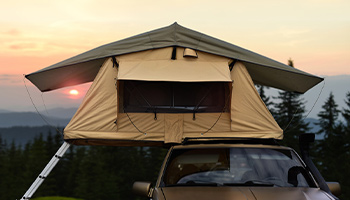
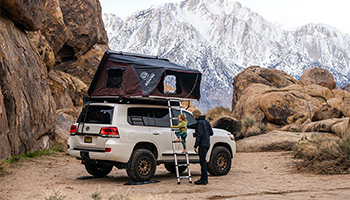
As the name suggests, a rooftop tent is a tent designed to fit on the roof of a vehicle. Like standard tents, rooftop tents come in various shapes and sizes to suit your needs. While many may benefit from purchasing a rooftop tent, it may not be the best option for all campers.
Pros of Rooftop Tents
Easy setup: Roof tents are known for their ease of assembly. Most models only require you to undo a few latches and then push upwards to set up.
Freedom: Having your tent on your vehicle’s roof gives you more options for where you can safely camp.
Greater durability: Most tents are constructed from durable materials for added strength because they’re designed for car roofs.
Sleep above the ground: By staying elevated, you won’t have to worry about weather changes, crawling critters, or rocks.
Cons of Rooftop Tents
Cost: Rooftop tents are significantly more expensive than a standard tent (but cheaper than an RV or travel trailer). Expect to pay anywhere between $1,500 to $4,000 or more.
Gas Mileage: Because they’re mounted on top of your car, your vehicle will likely experience a lower MPG due to the increased drag.
Rooftop Attachment: Installing and removing a tent between camping trips can be a chore.
How to Choose a Rooftop Tent
Before purchasing a rooftop tent, you’ll need a roof rack on your vehicle. Without a roof rack, you’ll have no means of adequately securing a tent to your car.
Besides personal preference, the rooftop tent you purchase will ultimately depend on your vehicle’s weight capacity and roof dimensions. Because tents can be well over 100 pounds, understanding your car’s limits will help narrow your options, especially for smaller vehicles. You’ll need two of your car’s critical weight limits before purchasing a tent: dynamic weight and static weight.
Your car’s dynamic weight limit represents how much weight it can handle on its roof while it is in motion. The tent you purchase must weigh less than this limit to prevent accidents or damage to your car while driving. If you bought an aftermarket roof rack, you’ll need to also check the rack’s manual for the same specification.
Static weight is the amount of weight your car can handle while it is stationary. This number will always be higher than your dynamic limit and shouldn’t be an issue as the roof is designed to withstand a rollover accident. However, it’s still important to calculate the total weight, including the tent, the planned occupants, and their gear, to ensure you have enough support.
When purchasing a rooftop tent, your car’s roof dimensions will also be a key factor. There are plenty of tents on the market for numerous vehicle makes and models , so take measurements and use them to guide your search.
Insuring Your Rooftop Tent
Purchasing a rooftop tent is a pricey investment, so having it insured is essential. When modifying your vehicle, you must speak with your insurance provider to protect your assets. Contacting your provider will get you the information you need regarding whether or not your rooftop tent can be covered under your current policy. Some insurers provide custom parts and equipment coverage that protect items you add to your car.
Additionally, a homeowners or renters policy could be another way to insure your rooftop tent. A typical homeowners/renters policy will protect your covered personal property, even if it was stolen from a vehicle or while you travel. However, some policies may require you to “schedule” high-value items to be covered, so always speak with an insurance specialist before making any changes to a policy.
3 Top Rated Rooftop Tents
Looking for a rooftop tent but not sure where to start? Here’s a quick list of 5 highly rated rooftop tents to kickstart your search.
1. Best Overall: iKamper Skycamp 2.0
Photo credits: iKamper
Price: Starting at around $3,700
As previously mentioned, rooftop tents can quickly get expensive. However, if you want the most value from your purchase, iKamper’s Skycamp 2.0 is your best option.
Featuring a hard shell and pop-up design, the Skycamp 2.0 can sleep four and comes equipped with a king-size mattress. Known for their patented 1-minute setup design, iKamper has everything you need in a rooftop tent.
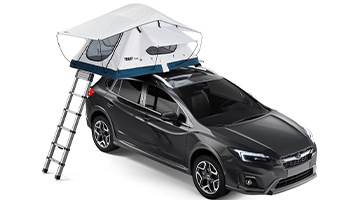
2. Best for Small Cars: Thule Tepui Low-Pro
Photo credits: Thule
Price: Starting at around $1,300
Weighing less than 100 pounds, the Thule Tepui Low-Pro tent is a perfect option for those with a smaller car. With an exterior constructed of thermoplastics, this tent folds down to just about 10 inches, can sleep two, and will provide weather protection.
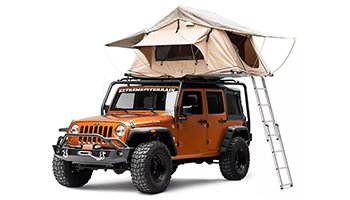
3. Best on a Budget: Smittybilt Overlander
Photo credits: Smittybilt
Price: Starting at around $1,300
If you’re looking for a budget-friendly option, consider Smittybilt’s Overlander tent. Big enough for two people, the Overlander is also waterproof and has integrated LED lighting.
Protect Yourself on The Road
Camping often takes us off the beaten path, which can also increase the likelihood of an accident or damage caused by debris. To protect you and your vehicle, having the proper auto insurance is essential. In addition, insuring your rooftop tent will help cover the cost of its replacement should it be stolen or damaged while you’re out camping.
To learn more about your insurance options and how AIS can help, call our insurance specialists at (888) 772-4247.
The information in this article is obtained from various sources and offered for educational purposes only. Furthermore, it should not replace the advice of a qualified professional. The definitions, terms, and coverage in a given policy may be different than those suggested here. No warranty or appropriateness for a specific purpose is expressed or implied.
http://GotMexico.com – Learn 8 things to know before you buy your next Mexico Insurance policy! The Mexico Insurance Guru, Jim Kreisman presents the 8 …
Sometimes dads get anxious to flex their toys. Sometimes this can be a bad thing. Retelling a story I originally posted to YouTube back in Oct 2007 but now in …
Health and beauty professionals like yourself keep the rest of us looking and feeling our best. But let’s face it, no one’s hand is perfect. Accidents happen and the same tools you use to help your clients look and feel good could potentially harm them. That’s why having the right business insurance coverage is incredibly important in protecting yourself. Let’s discover what insurance coverages you need for your barber shop, hair salon, and/or spa.
Why Do I Need Insurance For My Barber Shop Or Salon?
Unfortunately, high levels of physical interaction like holding sharp scissors and applying chemical products, along with subjective beauty standards, mean you face unique operating risks every day. According to WellSpa 360, some of the most common causes of lawsuits against salon and spa owners include cuts, slips and falls, chemical burns, and emotional damage.
You could expose your business to financial liability if you don’t have the right business insurance coverage. Your clients want the best care and service from you. When it comes to protecting your shop or salon, get the best coverage and service with AIS Insurance.
Related Professions We Insure
We don’t just serve barber shops and hair salons; we take the time to learn all professions in the health and beauty industry. Below are some of the beauty and wellness professions we insure as well:
Color Stylist
Nail Technicians
Cosmetologists
Estheticians
Massage Therapists
Makeup Artists
Tanning Salon Owner
Eyelash Technician
Wax Technician
Styling Insurance To Fit Your Needs
Barber shops and beauty salons must prepare for a range of financial risks. As a business owner, you want insurance coverage tailored to your line of work. Whether you own your shop or salon, rent a chair, or drive out to meet your clients, AIS can help you find the coverage that fits your needs. Take a look at some of the most common insurance coverages for your profession:
Business Owners Policy (BOP). Many small businesses benefit from a Business Owners’ Policy (BOP), which combines commercial property insurance, general liability insurance, and business income insurance.
General Liability Insurance. Protects your salon or spa business if clients sue for bodily injuries or property damage
Commercial Property. Provides coverage for damaged, vandalized, or destroyed tools you use, like salon equipment and furniture.
Business Interruption. Help replaces the lost income and extra expenses of operating if you can’t run your business because of covered property damage or while your business rebuilds.
Professional Liability Insurance. Also referred to as errors and omissions, this insurance coverage protects your business against lawsuits that claim your professional service caused the client harm.
Commercial Auto. Commercial auto insurance helps cover costs related to accidents when driving for work. Covered expenses may include physical damages, bodily injuries, theft, vandalism, towing, repairs, and rental reimbursement.
Workers’ Compensation. Provides wage protection and coverage for medical expenses if you or your employees are hurt on the job.
How Much Is Insurance For My Barber Shop Or Salon?
The size of your business, where you operate, gross income, types of services offered, the number of employees, and claim history determine the type of insurance you need for your barber shop, hair salon, or spa. Most insurance companies will offer you a package deal for the coverage you want. If you want to know the exact cost to insure your salon, request a free quote from AIS online today.
Why Choose AIS?
At AIS Insurance, we understand how much work goes into being an artist. Small business insurance is one of our specialties and we’re dedicated to helping you find the best protection for your business. We have helped business owners plan for their financial futures and be more prepared for whatever comes their way. Speak with one of our Commercial Insurance Specialists today at (855) 919-4247 for a fast and free commercial insurance quote.
The information in this article is obtained from various sources and offered for educational purposes only. Furthermore, it should not replace the advice of a qualified professional. The definitions, terms, and coverage in a given policy may be different than those suggested here. No warranty or appropriateness for a specific purpose is expressed or implied.
Traveling to a new country and immersing yourself in a different culture is one of the best ways to spend a vacation. From trying new foods to exploring new destinations, traveling offers us a way to escape our day-to-day routines. However, it’s easy to feel overwhelmed when planning an international trip. While some nerves are expected, careful planning will help make your trip abroad less stressful.
So before you hop on board your flight, here are six steps to follow when planning a trip abroad.
1. Choosing a Destination
Before taking a trip abroad, you’ll first have to decide where to go. Luckily for you, there’s a whole world waiting to be explored. If you’re having a little trouble picking a destination, try answering this question: What comes to mind when you hear the word vacation? Some may picture themselves relaxing by the beach, while others may imagine themselves exploring cities and sightseeing.
Regardless of your ideal getaway, chances are you already have a destination in mind. If not, try basing your decision on the activities you’d like to experience. For example, you wouldn’t want to go to an island known for its beautiful beaches if your preferred activity is deep forest hiking.
Once you know your destination, determine the time of year you will be traveling. Some destinations may only offer what you’re looking for during a specific time of the year. Additionally, traveling to popular countries during peak season could mean paying higher prices and dealing with crowds.
2. Create a Budget
Once you have a place in mind, you can then move ahead with determining your budget. Depending on your trip, your plane tickets and accommodations will likely be the most expensive items, so you’ll want to ensure that these are covered.
Extra factors to include in your budget are:
Transportation (rental, parking, insurance)
Dining (3 times a day)
Funds for activities
Shopping expenses
One-time costs (visas, passport renewal)
Emergency money
To make budgeting simple, we recommend choosing a set amount of money you’ll be comfortable spending per day. Calculate this after determining your significant travel accommodations. For added security, overestimate your expenses to give you some financial leeway in the event of an emergency.
3. Have Your Documents in Order
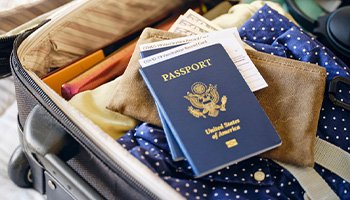
When traveling outside of the country, having your passport is crucial. Before booking your trip abroad, you’ll want to ensure that your passport doesn’t expire for at least six months before your planned departure. If your renewal is coming up, consider taking your trip after renewing your passport to avoid any potential mishaps.
You may need to obtain a visa depending on where you’re heading. While a visa isn’t necessary for many destinations if you’re an American citizen, multiple countries will still require a visa.
As the world continues to battle COVID-19, you’ll need to know your chosen country’s travel restrictions and vaccine requirements. Using a travel map with updated information could be helpful when planning your trip, but always confirm any vaccine requirements with a country’s official website or health department.
4. Book Your Flight and Accommodations
Okay, so you know where you want to go, your budget looks green, and your documents are all in order. Congrats, it’s time to book!
At this stage, you should know what your plane tickets and basic accommodations will cost. While you may have limited options regarding your flight, you should have more variety regarding your accommodations.
You’ll first have to decide whether you’d like to stay in a resort, hotel, Airbnb, or hostel. Looking at your budget will be key when choosing your sleeping arrangements.
Looking for something all-inclusive? Then you’ll probably be happy going to either a resort or hotel. Need something a bit more inexpensive? Hostels are a great budget option. Airbnbs tend to fall somewhere between these options, but they can also get pretty pricey depending on their amenities and layout.
5. What About Insurance?
Travel Insurance
As you may already know, booking a vacation can quickly become expensive. With such large purchases, it’s best to give yourself some financial protection by purchasing travel insurance. While travel insurance can vary depending on your provider, most policies will typically offer protection against situations involving trip cancelations, emergency medical expenses, and lost/stolen personal belongings.
There are multiple ways to shop for travel insurance online, or you can opt to purchase travel insurance through your booking site. But depending on what you carry in your wallet, you may already have coverage.
Some credit cards have built-in trip cancellation coverage, rental car coverage, and more. Keep in mind that you’ll need to use the credit card with travel insurance to book your trip if you’d like to take advantage of its benefits. We recommend calling your credit card company to fully understand your travel benefits.
Auto Insurance
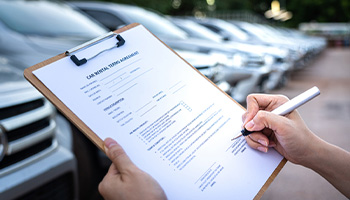
If you decide to rent a car, it’s vital that you’re also protected in the event of an accident, especially if the country you visit requires some form of auto insurance. Unfortunately, your home auto insurance won’t extend your coverage while you’re on your trip abroad. However, you still have a few options.
Once again, you may have built-in coverage depending on your credit card. Some credit cards come with coverage options that cover rental vehicle damage. Coverage can vary, so it’s best to review your card’s benefits, as some may only provide coverage for a limited amount of time. To use your credit card’s benefits on your trip abroad, you must pay for the rental using the card.
If you’re traveling to Canada, most auto insurance policies will cover you throughout your trip. If you’re heading south to Mexico, you’ll need auto coverage from a Mexican insurance provider. However, most American insurers have partnerships with authorized Mexican providers that could simplify the process. Be sure to speak with an insurance specialist to learn more about your available options.
Renters Insurance
Do you have a renters insurance policy with theft protection? If so, your personal belongings may be protected against theft, even when traveling. However, it’s important to remember that every policy is different, and there are limits to the coverage. Speak with your insurance provider to learn more about what’s protected under your policy.
6. Last Minute Details
It’s the week of your departure and everything’s booked, insured, and paid for—hooray! But, there are still a few last-minute details you’ll want to take care of. Consider doing the following before leaving to have a seamless trip:
Inform your bank and credit card company that you’ll be traveling out of state.
Make copies of your passport and store them in a different location than your passport.
Order foreign currency from your bank.
Inform your phone carrier of travel and add a travel plan, or purchase a local sim card when you arrive.
Stay Protected at Home
No matter where you decide to visit, keeping your home base protected with a homeowners or renters policy will give you peace of mind knowing you’re protected against life’s what-ifs. At AIS, we can help you find the coverage that works best for you. To learn more about your available insurance options, give our insurance specialists a call at (888) 772-4247.
The information in this article is obtained from various sources and offered for educational purposes only. Furthermore, it should not replace the advice of a qualified professional. The definitions, terms, and coverage in a given policy may be different than those suggested here. No warranty or appropriateness for a specific purpose is expressed or implied.