Home Blog Page 51

Builder’s Risk Insurance: Why Insuring Your Construction Project Is a Must

0

3 minute read

In the world of construction, unexpected risks and unforeseen accidents can disrupt even the most carefully planned projects. That is where builder’s risk insurance steps in. Whether constructing a new building or renovating a house project, this specialized policy acts as a safety net, protecting you from financial harm against accidents during your projects. We’ll dive into the intricacies of builder’s risk insurance – what it encompasses, who should consider it, and how it can help you.

What Is Builder’s Risk Insurance?

constructing home - builder's risk insurance

Builder’s risk insurance, also referred to as “course of construction insurance,” is a specialized type of property insurance. It’s designed to protect your buildings during construction or renovation against fire, storms, hail, high winds, vandalism, and explosions. In other words, if an unexpected incident damages the structure or materials at your construction site, this insurance steps in to cover the cost needed for repairs or replacement, thus ensuring your project proceeds smoothly. Builder’s risk policies are available for new construction projects, remodeling, and installation work for residential and commercial needs. In addition, some policies may extend coverage to construction materials, documents, data, and temporary structures.

Who Needs Builder’s Risk Insurance?

Any person or company with a financial interest in the construction project or renovation can benefit from this coverage. In fact, your clients might require this coverage before your work begins. People who might benefit from this insurance may also include:

  • Homeowners/property owners
  • House flippers
  • Builders
  • General contractor/subcontractors
  • Architects/engineers
  • Development and investment companies

What Does Builder’s Risk Insurance Cover?

Builder’s risk insurance is a key insurance policy in the construction industry offering essential protection for projects while also extending coverage for:
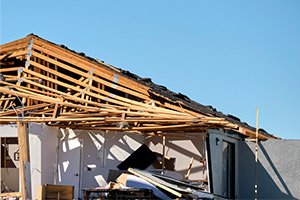
home destroyed - builder's risk insurance
  • Damages to buildings or structures: This covers damage to under-construction buildings and temporary structures such as storage buildings, fencing, scaffolding, retaining walls, and more.
  • Comprehensive general liability: Protects against claims of bodily injury suffered by non-employees on your construction site.
  • Equipment coverage: In case of equipment damage or loss, this coverage ensures the cost of repair or replacement.
  • Material and supplies: Construction materials used to build the structure that are damaged or stolen. Depending on the policy, it may also provide coverage for documents and data such as blueprints or project plans.
  • Ordinance and law cost: Absorbs extra expenses due to building codes and laws during reconstruction.

What Does Builder’s Risk Insurance Not Cover?

Not all scenarios fall within the scope of a builder’s risk insurance policy. For instance, earthquakes and floods are not covered and require a separate insurance policy. Here are some common causes that are often excluded:

  • Acts of terrorism and war
  • Workers’ compensation claims
  • Damage due to a faulty design
  • Employee theft
  • Mechanical breakdowns
  • Rust and corrosion
  • Wear and tear

It’s important to highlight that a builder’s risk policies do not provide coverage for damages after a project is finished. Once construction wraps up, your coverage ends. At that point, you can get coverage that’s similar to builder’s risk insurance by purchasing:

business store icon

Commercial Property Insurance: Helps cover repairs or replacement of business structures and physical contents in case of fire, theft, hail, explosion, vandalism, or other covered accidents.

tools icon

Inland Marine Insurance: This type of coverage helps reimburse the cost related to equipment loss, theft, and damage and covers materials, products, and tools while they’re in transit.

broken arm icon

General Liability Insurance: Protects your business when it becomes liable for bodily injury or property damage to another party. It also covers legal fees, medical expenses, and settlements awarded to the injured party.

How To Find the Right Builder’s Risk Insurance Policy

Finding the right builder’s risk policy is similar to purchasing other insurance policies. It involves deciding what coverage you need and comparing rates from multiple insurance providers. Each policy’s exclusion list can vary, so it’s important to understand the coverage offered to avoid unforeseen setbacks. Here’s a step-by-step guide to discovering the best builder’s risk insurance policy tailored to your project:

construction worker shaking hands - builder's risk insurance

1. Assess your needs: Consider your project’s size, location, materials, and risks. This evaluation lays the foundation for determining how much coverage you need.

2. Compare policies: Research and get quotes from multiple insurance providers to compare coverage options and rates. Carefully review policy terms, limits, and exclusions to ensure the policy aligns with your project’s needs.

3. Consult with a professional: An experienced insurance agent can provide valuable insights into your coverage needs and guide you toward the most suitable coverage for your project’s protection.

At AIS Insurance, we offer specialized builder’s risk insurance policies to safeguard your construction projects from unexpected risks. With our team of experts, finding the right builder’s risk insurance policy has never been easier. Speak with one of our Commercial Insurance Specialists today at (855) 919-4247 for a swift and seamless free quote. Our specialists can provide you with a quick builder’s risk insurance quote to ensure you have the necessary coverage to safeguard your business and projects.

The information in this article is obtained from various sources and offered for educational purposes only. Furthermore, it should not replace the advice of a qualified professional. The definitions, terms, and coverage in a given policy may differ from those suggested here. No warranty or appropriateness for a specific purpose is expressed or implied.


Best Car Insurance in Ireland

8


Best Car Insurance in Ireland Here is a list of all the car insurance companies in Ireland, and here are the most popular car …

RICH JAIL VS BROKE JAIL || Funny Situations At Home Prison! DIY Sneaking Food Ideas By 123GO! TRENDS

20


How would you fill your time if you were in jail and poor? Let us know in the comments! Crazy and Funny ways to sneak snacks and makeup into a FASHION …

Comparing Canadian and American Health Care

0


For the first time ever, KPBS teams up with the Canadian Broadcasting Corporation to compare American privatized medicine with government funded, universal …

Term Life Insurance Quotes With No Medical Exam

1


Visit: http://paydayloansplp.co.uk/term-life-insurance-medical-exam/ Term Life Insurance Quotes With No Medical Exam. If you are …

When Is a Car Considered Totaled? | Car Insurance Basics

0

5 minute read

If you are involved in an accident, your car insurance will typically help repair your vehicle depending on your coverage. However, if the repair costs exceed its worth, your insurance company will deem your vehicle a total loss. But what happens when a car is considered totaled? Will your insurance pay you what your car is worth? Let’s explore when insurers declare a vehicle a total loss and what that means for you.

When Is a Car Considered Totaled? 

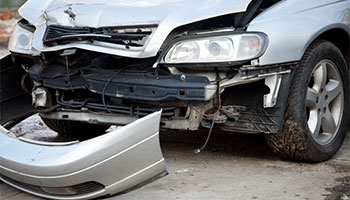
a totaled car with major front bumper damage

Insurance companies will consider a car totaled or a “total loss” when the cost of repairs exceeds what the vehicle was worth immediately before the damage, also known as its actual cash value (ACV). More specifically, however, insurers must abide by each state’s total loss thresholds. A state’s total loss threshold represents the point at which insurance providers must declare a vehicle a total loss. 

Some states rely on a percent threshold, which considers a car totaled after repair costs surpass a set percentage of a car’s value. Florida, for example, has a percent threshold of 80%, which means a vehicle must be declared a total loss if repair costs are 80% or more of its ACV. So, if your car is worth $10,000 and you get into an accident that causes $8,000 or more in damages, your car would be considered totaled.

Other states use a standard total loss formula to determine whether a car is totaled. The total loss formula compares a car’s ACV to its cost of repairs and salvage value, which is the amount a car is worth in its damaged state. If a vehicle’s salvage value and repair costs exceed its ACV, it is considered totaled. For example, let’s say you live in Connecticut (a total loss formula state), have a car with an ACV of $8,000, and get into an accident that causes $10,000 in damages. After assessing the damage, your car’s salvage value is considered $1,000. Using the total loss formula, your car would be declared totaled because the total cost of repairs plus the salvage cost ($11,000) exceeds its ACV. 

Why Do Some States Use a Percentage Instead of the Total Loss Formula?

After an accident, a car can have hidden damage that goes unnoticed during the repair process. A vehicle could be considered repaired but have hidden defects, which could lead to a different accident down the line. Because of this, some states utilize a percentage threshold to ensure a car with significant damage is no longer on the road to keep damaged cars out of operation, helping keep drivers safe

What Type of Insurance Covers a Totaled Car?

Whether or not your insurance covers your vehicle after it is declared a total loss will depend on the details of the accident and the coverages you carry. After an accident, you must file a claim using the appropriate coverage to receive an insurance payout for a totaled car, up to your policy’s limits and minus any deductibles.

Here is a quick rundown of insurance coverages that may apply in an accident involving a totaled car.

Cause of Total Loss Coverage That Will Apply
An accident you caused. Collision insurance will cover replacement costs, up to your policy’s limits and the vehicle’s ACV, if you cause an accident and total your car. This coverage is often subject to a deductible.  
Vandalism or damage not caused by an accident. Comprehensive insurance will cover replacement costs up to your policy’s limits and the vehicle’s ACV, if vandalism, weather accidents, or additional covered perils total your car. This coverage is often subject to a deductible.  
Accident with an at-fault uninsured or underinsured driver. Uninsured/underinsured motorist property damage insurance will cover replacement costs (up to your policy’s limits and the vehicle’s ACV) if you’re involved in an accident with an at-fault driver with insufficient insurance.  
Accident with an at-fault driver. If another driver is determined to be at fault for an accident that totals your car, you may be able to file a claim through that driver’s property damage liability insurance to receive your car’s ACV.  

What Happens If I Total a Financed or Leased Car?

If you are financing or leasing a car, your lender will likely require you to carry comprehensive and collision insurance, which will help cover replacement costs. If you total a financed or leased car, your insurer will send your lender or leasing company an amount equal to your car’s ACV minus any plan deductibles. But what if you owe more on your car loan than what your vehicle is worth? You’ll be stuck paying the difference out of pocket if you don’t have gap insurance.

Gap insurance, sometimes called loan/lease payoff coverage, fills in the “gap” between what your insurance pays out and what you still owe. This coverage is recommended for newer vehicles due to how quickly cars depreciate when they leave a dealership.

What Should I Do If I Total My Car?

Person on phone after a car accident

What should you do if you’ve been involved in a car accident and believe your car is totaled? First, prioritize your safety at the accident scene and get proper medical attention if needed. Next, contact the police to begin a document trail of the accident for your insurance. While at the scene, take plenty of photos and exchange contact, vehicle, and insurance information with all parties involved. Once you’re ready to file a claim, here’s how the process will typically go in an at-fault accident:

  1. Once your vehicle has been towed from the accident scene, contact your insurance provider to file a claim.
  2. Your insurance provider will put you in contact with a claims adjuster who will work with you throughout the process to determine your insurance payout.
  3. Your insurer will determine if your car is considered a total loss. If so, you will receive a settlement offer based on your car’s ACV minus your deductible.
  4. If you are leasing or financing a car, your insurer will first pay your lender, and you’ll receive whatever is left.
  5. If you own your vehicle, you’ll receive a settlement check equal to your car’s ACV minus your deductible.  

If My Car’s Airbags Deploy, Is My Car Automatically Totaled?

a car with airbags deployed

Some people believe that if a car’s airbags deploy, it is automatically considered totaled. However, this isn’t always the case. This auto insurance myth stems from the fact that airbags can be expensive to replace.

Although a car accident that causes your airbags to deploy may be severe enough to total a car, it isn’t always a direct indicator. Your insurance will still assess the damage during the claims process to determine whether your vehicle is worth repairing based on regulatory guidelines.

Our Auto Insurance Specialists Are Here to Help

With so many coverages involved, finding the right policy can sometimes feel overwhelming. At AIS, we have over 55 years of experience helping our customers find the best combination of coverage and price from our network of trusted insurance providers. Whether it’s helping you understand state minimums or comparing quotes from multiple insurance partners, our specialists can help. Start a free quote online today, or call us at (888) 772-4247 to get started.


The information in this article is obtained from various sources and offered for educational purposes only. Furthermore, it should not replace the advice of a qualified professional. The definitions, terms, and coverage in a given policy may be different than those suggested here. No warranty or appropriateness for a specific purpose is expressed or implied.

Reliable Car Insurance Company – Best Friends Till The End | The General Auto Insurance

20


Cheap and reliable car insurance company The General® has provided low-cost auto insurance for more than 50 years! We’ve …

Ice Cube, Kevin Hart, And Conan Share A Lyft Car | CONAN on TBS

20


The stars of “Ride Along” teach Conan how to roll around Hollywood. Subscribe to watch more Team Coco videos …

Choosing Your Florida Health Insurance

0


We specialize in Health, Life, Auto, business and home owners insurance. For more information or to speak with one of our representatives, call us at: …

I Had to Cash Out My Life Insurance to Survive in 2020

20


Did you miss the latest Ramsey Show episode? Don’t worry—we’ve got you covered! Get all the highlights you missed plus some of the best moments from the …

Tips on Finding Affordable Car Insurance for Drivers Under 25

0

5 minute read

Few moments in life are as exciting as purchasing your first car. Whether it’s a new vehicle off the lot or a used purchase, your first car represents a step into adulthood. However, the excitement may wear off for many young drivers when searching for car insurance. Although younger drivers typically experience higher insurance rates than others, there are ways to find affordable car insurance if you’re under 25.

Do Young Drivers Pay More for Car Insurance? 

a young driver and their father in the car together

Yes, young drivers under 25 typically pay more for car insurance than other drivers on the road. One of the main reasons for this is that motor vehicle crashes are one of the leading causes of death for U.S. teens, according to the CDC. Combine that with less years of driving experience, and it’s easy to see why insurers consider young drivers as greater insurance risks, which leads to higher premiums. Although it varies heavily by state and company, most drivers begin to see favorable rates at age 25.

When determining a driver’s insurance premium, car insurance companies consider multiple factors, such as driving experience, age, zip code data, and vehicle information. However, some states and companies may weigh some factors more than others. Insurance providers in California, for example, use years of driving experience as a rating factor instead of age. Details aside, young drivers can find favorable auto insurance rates by following a few important insurance tips.

Ways Drivers Under 25 Can Save on Car Insurance

1. Remain on a Family Policy 

Unlike health insurance, there is no age limit for how long a child can stay on a parent’s car insurance policy. If you share the same address,  you can significantly save by being added to a parent’s policy rather than finding your own. Although adding a new driver will increase rates, it likely won’t be as much as a stand-alone policy. Even if you aren’t considered a “young driver,” you can remain on a family policy as long as you live with your parents. In fact, insurance providers prefer that all drivers living in the same residence be listed on one auto policy.

2. Shop Around for Quotes

If you don’t have the option of joining a family policy, your next best bet to secure affordable auto insurance is to compare quotes from multiple providers. As mentioned, insurers consider numerous factors when determining auto premiums. Due to varying pricing models, it’s possible to see major differences between auto premiums from two separate companies for the same driver. Some may even offer better rates for young drivers despite their lack of experience. By comparing rates, you’ll better understand your coverage options. With AIS, you can easily compare quotes from our network of insurance providers by using our online comparison tool.

3. Bundle Car and Residential Insurance

Whether you rent or own a home, you may qualify for savings and discounts when you bundle policies with the same insurer. If you have renters or homeowners insurance with a major company, they will likely also offer car insurance. This will help you save on your insurance rate, and possibly consolidate two bills into one for easier management.

4. Consider Your Deductible  

Adjusting your coverage deductibles is another way to save on your auto insurance premium. Coverages such as collision and comprehensive insurance are subject to a deductible, which represents the amount you must pay out of pocket towards a claim before your insurer handles the rest, up to your policy’s limits.

When you sign up for coverage, you usually have the option to select your deductible amount. A $500 deductible is standard but can range anywhere from a few hundred dollars to $2,000. Choosing an appropriate amount is important as your decision can affect your rates. Here’s how:

  • A high deductible = a lower insurance rate but higher out-of-pocket expenses for claims.  
  • A low deductible = a higher insurance rate but lower out-of-pocket expenses for claims. 

As shown, a higher deductible can lead to a lower insurance rate. Since deductibles allow insurers to share risk with policyholders, adjusting your deductible amount can quickly affect your premium. However, you should only consider a higher amount if you won’t have difficulty paying your share in the event of an accident.

5. Utilize Common Car Insurance Discounts

a student doing homework on their laptop

Auto insurance providers offer a handful of discounts you may qualify for by simply being who you are. When searching for affordable car insurance for young drivers, taking advantage of available discounts is essential. Here are some typical car insurance discounts young drivers may qualify for:

  • Good student discount – If you’re a full-time student, have a B-average or higher, and are under 24, you likely qualify for a good student discount. Although qualifying specifics may vary depending on the company, most insurers offer this discount for high-school or college students, so be sure to ask for it when signing up for a new policy.
  • Defensive driving course discount – Insurance providers base their rates on risk, which is why some insurers offer discounts to policyholders that complete defensive driving courses. If you’re a young driver, taking a defensive driving course is highly recommended to prevent accidents by improving your assessment and situational skills.
  • Multi-policy discounts – Multi-policy discounts are one of the easiest discounts to qualify for. As mentioned, you can easily save by bundling policies with the same provider. 
  • Anti-theft device discount – Cars with anti-theft measures installed have a lower chance of being stolen or vandalized, making them less risky to insure. As a result, providers may offer discounts to owners that take extra steps toward protecting their vehicles. 

6. Consider the Car You Drive

a newly licensed young driver holding up the keys to their new car

Your vehicle’s make and model can affect your insurance premium, especially if you carry collision and comprehensive coverage. The more expensive your car is, the more it will cost to repair or replace it after an accident. If you’re planning to purchase a new car, we recommend comparing quotes from different providers before you buy to get an idea of how much you’ll pay for insurance.

Should I Only Purchase Liability Insurance?

In seeking lower rates, you might be tempted to reduce your coverage to only liability coverage (the legal minimum in most states). For most drivers, this is not the best idea. Unless you can afford to replace your vehicle out of pocket if you cause an accident, it is recommended you have collision and comprehensive coverage on your policy, in addition to liability, as this provides significantly more protection.

Learn More by Speaking with an Insurance Specialist

Everyone’s insurance needs are different, regardless of age or driving experience. If you lease or finance a car, you’ll most likely require more coverage than someone who drives an older vehicle. Regardless of your situation, speaking with an insurance specialist will help guide you through your options.

At AIS, we have over 55 years of experience helping our customers compare auto quotes to find their ideal combination of coverage and price. To learn more about how AIS can help, call us today at (888) 772-4247 or start your search online.


The information in this article is obtained from various sources and offered for educational purposes only. Furthermore, it should not replace the advice of a qualified professional. The definitions, terms, and coverage in a given policy may be different than those suggested here. No warranty or appropriateness for a specific purpose is expressed or implied.

Dale Earnhardt's fatal crash @ Daytona

20


The sport lost the legendary Dale Earnhardt on the final lap of the 2001 Daytona 500.

Health Insurance Enrollment Flexibility for Some Hurricane Victims

0


CMS has created a Hurricane Laura-specific Public Health Emergency for the states of Louisiana and Texas. The emergency declaration creates flexibility for …

Don't Buy Long Term Care Insurance Until You Watch This!

7


Hang out with Byron as he explains what a benefit rider is and how it might better be better than long term care coverage…stick around, he really knows his stuff!

Most Common Items Stolen From Construction Sites

0

3 minute read

As the cost of construction materials continues to rise, protecting your construction business against theft becomes more important than ever. Construction sites are often susceptible to theft, with certain items left on job sites being particularly enticing targets. In this article, we’ll explore the most common items sought-out by those looking to make a quick profit, effective tips on how to prevent theft, and the pivotal role of having inland marine insurance to ensure your valuable assets are protected.

The 5 Most Stolen Items From Construction Sites

Construction sites are full of valuable materials, which unfortunately attract theft. However, certain items tend to pique the interest of thieves more than others. The most common items stolen from construction sites are:

1. Copper

According to the Department of Energy, copper theft costs businesses across the United States nearly $1 billion annually. These illicit activities occur predominantly at construction sites, where thieves take advantage of easily accessible copper. Adding to the allure, the value of copper has experienced a significant rise in recent years, surging from $2.53 to $4.94 per pound between 2019 and 2021. Its value and demand make it a prime target for thieves seeking quick financial gains.

2. Lumber

lumber at construction site

Lumber is rarely inventoried and frequently left unsecured overnight, essentially creating an open invitation for theft. Moreover, the resource is widely used in various construction projects, is conveniently portable, and has a strong market demand, making it an attractive item for reselling. The lack of unique markings or identifiers on lumber makes it harder to trace or recover and an appealing target for theft. The impact of the pandemic has only further fueled the issue, causing lumber prices to surge 188% by the end of 2021.

3. Power and Hand Tools

Construction tools, although small, come with hefty price tags making them a favorite target for thieves. Surprisingly, a significant number of tool thefts are committed by employees on the site. While you may not initially miss a drill or hammer, the collective loss of multiple tools can add up over time. A simple practice to safeguard your tools is to lock them away at the end of each shift and keep an inventory of all tools on-site.

4. Home and Business Appliances

construction going on for apartment building

Appliance theft frequently occurs in multi-family residential areas, particularly high-end apartments and duplexes. These construction sites are sought-after due to the abundance of new and expensive appliances such as fridges, ovens, washers, and dryers. Oftentimes, property owners want the area to be easily accessible for potential renters or buyers, but this makes it more accessible to potential thieves, as well.

5. Construction Vehicles

Although larger equipment is harder to steal, it does happen and can result in a substantial financial loss. Consider the value of these large machineries, like forklifts, dump trucks, or excavators. Each construction vehicle can run anywhere between $100,000 to $500,000. While theft of heavy equipment occurs less frequently than appliances or smaller tools, the potential gains from stealing larger equipment make it an attractive prospect for criminals who engage in high-risk, high-reward activities.

Preventing Theft At Your Construction Site

Many times, materials and equipment are left at the job site when crews go home. Without proper security measures, these items become easy targets for theft. Here are some tips for preventing theft on your site:

  • Secure Your Perimeter – Close off your site with sturdy fencing and install proper signage indicating your area is monitored. Ensure gates are locked when the site is not in use.
  • Lighting and Surveillance – Install bright outdoor lighting to deter thieves at night and set up security cameras in strategic areas to monitor activities.
  • Keep Inventory of Everything – Keep a detailed inventory of all tools, equipment, and materials on-site. We recommend installing RFID tags or GPS devices on high-value equipment.
  • Lock Up Your Equipment – Store valuable tools and equipment in locked containers or secure storage units when not in use. Use heavy-duty locks and chains to secure your machinery.

How Inland Marine Insurance Protects Your Tools

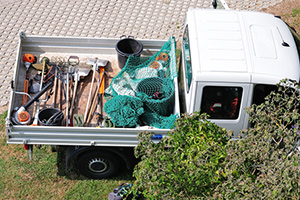
truck bed with gardening tools

Inland marine insurance is a vital component of business insurance for construction and contracting businesses. This type of coverage helps reimburse the cost related to equipment loss, theft, or damage. Inland marine insurance also extends its protection to leased or rented equipment. This ensures owners and their workers can continue working without major interruptions and meet project deadlines.

Consider adding inland marine insurance to your existing general liability insurance policy or business owner’s policy (BOP). While these policies generally offer coverage up to $10,000, inland marine insurance significantly widens the scope of protection, providing more comprehensive coverage.

Ensure Your Business By Insuring It

We know you’ve worked hard to build your business and we’re committed to helping you protect it. Speak with one of our Commercial Insurance Specialists today at (855) 919-4247 for a quick and easy free quote. Our specialists can provide you with a quick inland marine insurance quote to ensure you have the necessary coverage to safeguard your business.

The information in this article is obtained from various sources and offered for educational purposes only. Furthermore, it should not replace the advice of a qualified professional. The definitions, terms, and coverage in a given policy may differ from those suggested here. No warranty or appropriateness for a specific purpose is expressed or implied.