Are you ready to drive your brand new car? Wait a minute, you need to have auto insurance, the risk of driving without insurance is not worth it, it is required by …
Taxation of life insurance policies in India is generally assumed to be exempt however it is not so in all the cases. This video is an effort to discuss the taxation …
It’s no secret that gas is expensive. With prices hitting record highs earlier this year, improving your vehicle’s gas mileage could help you save significantly at the pump. In addition, better fuel efficiency also helps the environment due to fewer released emissions.
Fortunately, you don’t have to jump through major hoops to squeeze additional miles out of your regular fill-up. If you’re ready to save, this guide will introduce you to a few tips that could help you improve your gas mileage.
1. Check Your Tire Pressure
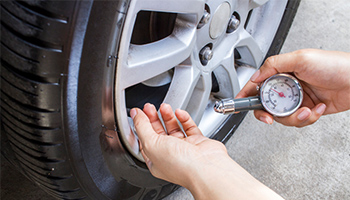
Keeping your car well maintained is essential when it comes to improving fuel efficiency. If you haven’t checked your tire pressure recently, we recommend doing so.
When tires fall below their recommended pressure, your vehicle must work harder to combat the added rolling friction. When this happens, your car’s gas mileage significantly decreases, and your tires wear out faster. According to the U.S Department of Energy, you can improve your gas mileage by up to 3 percent by keeping your tires properly inflated.
Generally, you should fill most tires to around 32 to 35 psi. However, it’s always important to double-check the owner’s manual to find the recommended specifications for your model. In addition, we recommend you carry a tire pressure gauge in your vehicle so that you can always ensure your tires are at their best.
2. Watch the Pedal
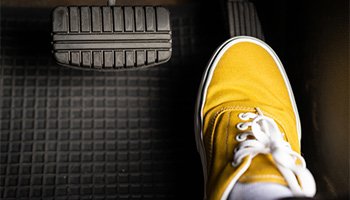
Speeding, rapid acceleration, and slamming on the brakes can quickly waste your car’s fuel. These driving practices put a lot of strain on your vehicle as it works to keep up with the constant stop and go, especially at high speeds. According to one study, aggressive driving can lower gas mileage by about 10 to 40 percent, equating to losing about $0.25 to $1 per gallon.
If possible, it’s best to use cruise control when driving at a higher velocity for a long distance, such as on a highway. If your car doesn’t have don’t cruise control, maintain a constant speed (within the speed limit) for a similar effect.
3. Limit Idle Time
One of the easiest ways to get the most out of your fuel is to eliminate unnecessary idling. And contrary to popular belief, restarting your engine does not use more fuel than leaving the vehicle on. When you leave your car running for an extended period without moving, you get 0 miles per gallon.
Waiting to pick someone up? Long drive-thru line? Consider cutting the engine in situations like these if your expected wait will be over 10 seconds to improve your gas mileage.
4. Reduce Your Vehicle’s Weight
The heavier your car is, the harder it will need to work to accelerate, affecting your fuel efficiency. Consider cleaning out your trunk and removing any unnecessary items to get a better mpg. However, do keep roadside essentials such as an emergency kit and basic repair tools.
Have a roof cargo box or roof bike rack? If so, they could be adding additional wind resistance that ultimately lowers your fuel efficiency. If you need the extra space, we recommend rear-mounted cargo boxes as these have less of an effect on your car’s performance.
5. Keep Your Wheels Aligned
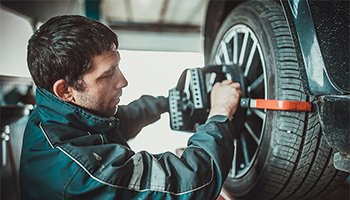
Tire pressure isn’t the only way tires can affect your gas mileage. For example, if your tires are out of their proper alignment, they drag instead of rolling freely. Not only will this cause your tires to wear out, but it could also increase fuel consumption by up to 10 percent as your car works to overcome the drag.
Not sure if your tires need an alignment? Head to your local auto shop, purchase a tread depth gauge (around $3) and measure the tread depth on the edges of each tire. If one side is worn more than the other, your vehicle should be realigned.
Keep Your Vehicle Protected
Keeping your vehicle well maintained helps prolong its life and enables you to improve your fuel efficiency. However, the easiest way to ensure your vehicle is protected is with proper auto insurance. With coverage options such as roadside assistance, you’ll be covered should your vehicle stop working while on the road. To learn more about your insurance options, give our insurance specialists a call today at (888) 772-4247.
The information in this article is obtained from various sources and is offered for educational purposes. Furthermore, it should not replace manuals or instructions provided by the manufacturer or the advice of a qualified professional. No warranty or appropriateness for a specific purpose is expressed or implied.
Types of insurance coverage, limitations, and what type of access you’ll have to physicians and hospitals are factors to consider when choosing a health …
Understanding life insurance can be tricky at times. An insurance policy can minimize your risk in many aspects of your life. You can get protection with your life, …
Your insurance policies need to be updated to reflect life changes, otherwise you are leaving yourself open to being underinsured.
By Wendy Wildeman, VP, Commercial Lines
Change is something we all face as we transition through the different phases of life, such as opening a home-based business, renovating an office space or a new driver routinely using your vehicle. If you have never heard the term ‘changes in material risk’ you are not alone. A lot of people do not know about this until they must make an insurance claim and find out that it may not be covered or that their policy is void due to a failure to update your changes in material risk.
It is important to know what constitutes a material change in risk so that you can notify your broker to ensure proper coverage. Let’s face it – it is rare to make an insurance claim when something positive has happened. In times of stress, having peace of mind with regards to your policy can alleviate some of your worries when going through the claims process.
In my experience, I have worked with a homeowner who decided to build a large shop on his personal property. While he did inform his broker and added the shop to his policy – he neglected to inform the broker a few years later that he had started up a small equipment repair facility in the premises. When the shop was lost to fire a few months later, his claim was denied based on a material change in risk. The insurer understood that the shop was being used for personal exposures – not a commercial venture.
What are changes in material risk?
A material change is defined as a substantial and continuing change that increases the risk involved with insuring your property. This is a condition under your insurance policy that states you must give prompt notice to your insurer if there has been a change in your circumstances.
A good example would be deciding to use your personal vehicle for commercial use such as a ride sharing app, like Uber or Lyft, and not updating your insurance policy to reflect the change in your vehicle’s usage. If you are involved in an accident while transporting others, it may void your policy and leave you open to litigation from your passengers and other people involved.
In cases like driving for a ride share company, an insurer needs to be notified of the change so that they can consider whether the risk of insuring you is too high or if they need to increase your premiums.
Some other examples of changes in material risk include:
Updating your vehicle with modifications such as lowering the suspension or altering the size of the engine.
Operating a business, like a day home, yoga studio or hair salon, out of your home.
Having an occasional driver routinely use your car (such as a teenager with a new driver’s license).
As you navigate the updates to your policy, it is important to work with a broker so that you are getting the best price. Your broker can connect you to a professional insurance appraiser, who will establish the most accurate value for your property. Your broker will then work with you to update your policy, based on your insurance appraisal, so your property is adequately covered for any potential losses.
Check out this blog post to learn more about insuring to value.
Reducing your premiums
When making renovations or changes to your property, it can be alarming to see the costs of your insurance rise to reflect these changes but there are also steps you can take for material changes in risk to help reduce your insurance premiums. They can include:
Adding a home security system can help to reduce your policy costs and the potential risks of losses due to burglary and potential water damage.
Home renovations that include upgrades to the wiring, adding a sump pump or replacing a roof can help reduce your premium costs because they lower the risk profile of your house.
Remembering to remove people from your auto insurance policy who are no longer routinely driving your vehicle.
Updating your broker about any commercial changes to your property (such as no longer running a home business or driving for a ride share company).
Reviewing the limits of your insurance policies at least once a year and notifying your broker if you have any changes.
Another approach to reducing your premiums is to take on higher deductibles. If you are interested in this, have your broker provide you with options to reduce the premiums paid. It is also important to think about using your insurance policy for the catastrophic events versus more minor incidents.
Working with your broker
If you have any questions about changes in material risk with regards to your property and how it is being used, reach out to your broker. Rogers Insurance brokers specialize in a variety of industries and will help you navigate the updates to your policies and help you find the right coverage for your budget.
Your broker is your best resource for ensuring you and your property are protected. Speak with them to find out more about risk management and insurance.
Wendy Wildeman is the Vice President, Commercial Lines, at Rogers Insurance. With more than 40 years of industry experience, Wendy specializes in real estate insurance, from development and construction to commercial and condominium management groups.
Physics is something that is directly applicable to car safety. Cars go fast, but they also sometimes collide with obstacles, which brings them to a sudden stop, …
life insurance quotes online, online life insurance, life insurance online, life insurance quotes, life insurance quote, quote life insurance, best life insurance, best …