SBI Life Retire Smart is a Unit Linked Pension Plan which comes with a minimum Guaranteed Maturity Benefit of 101% of all premiums paid in case the funds do …
Health insurance for those with pre existing diseases! Know from our expert Mr. Deepak Yohannan, CEO & founder at MyInsuranceClub.com Click here to get …
Quotacy is an online life insurance broker where you can get life insurance on your terms. The cost of your life insurance policy is determined by your individual …
The auto market has undoubtedly been in a flux state for the past few years. Due to national chip and supply shortages, sticker prices for new and used cars soared, and they’ve yet to fully come down. According to J.P. Morgan, the average cost of a new vehicle was up 4.2% year-over-year in January 2023. So, if you find yourself in the market, you may ask yourself, how much should I spend on a car? As prices continue to adjust, knowing how much you can afford is key to purchasing the type of vehicle you want without breaking the bank.
What is the Average Price of a New Car?
Before diving into how much you should spend on a car, we first have to understand where prices currently stand.
According to Cox Automotive, the average price of a new vehicle in the United States was $48,008 during March 2023. Though high, the figure marks the end of a 20-month-long trend where car prices exceeded the manufacturer’s suggested retail price (MSRP). As manufacturers further increase the supply of new vehicles, we can expect to see sticker prices continue to adjust.
However, although the trend is currently facing down, most experts agree that the movement will need to be more powerful enough to return us to pre-pandemic prices as inflation and interest rates plague the market. Still, with inventory increasing, analysts at J.P. Morgan believe we may see new vehicle prices decline by around 2.5% to 5% year-over-year for the remainder of 2023.
What is the Average Price of a Used Car?
The used car market has improved over the last two years, but signs indicate that prices may increase again. During February of this year, the average used car price was $26,068, according to Cox Automotive. Although we were beginning to see prices fall at the end of 2022, shrinking inventory and increased demand—due to consumers leaving the new car market for lightly used vehicles—cut much of those savings during the first half of 2023.
One of the leading indicators that used car prices may rise (again) this year is that wholesale used vehicle prices were up by 8.8% last March. Although this figure represents wholesale purchases, the change in price tends to reflect how much more consumers pay. Furthermore, the used vehicle inventory is down 21% compared to a year ago, which sets the stage for increased prices as more consumers compete for the same vehicle.
How Do Interest Rates Affect Car Prices?
The Fed can affect consumer purchasing power during economic difficulty by raising the federal funds rate. Although raising rates doesn’t directly target auto loans, it does affect the overall cost for lenders to borrow money. This cost then gets passed down to consumers. As of this writing, the federal funds rate is 4.75% to 5.00%. When rates are higher, it’s more expensive to borrow money.
So, How Much Should I Spend on a Car?
Everyone’s financial situation is different, so there isn’t a magic answer to “how much should I spend on a car.” If you’re like most consumers and will require a car loan to finance your vehicle’s purchase, the best way to begin is by creating a monthly budget. Because car payments are on a monthly basis, you’ll need to ensure you have your bases covered and aren’t stretching yourself thin with your purchase.
To make a budget, begin with your monthly net income and list your monthly expenses. For example, be sure to include the following:
Mortgage or rent, plus utilities
Cell phone bill
Insurance premiums (homeowners insurance, existing auto policy, and any other insurance not deducted from your paycheck)
Debt payments
Groceries
Entertainment costs
Once you list your monthly expenses, subtract them from your take-home pay to determine how much money you have left over that can go towards a car payment. You can also input this number into an online car payment calculator to determine what you can afford. Remember that you’ll have additional expenses after purchasing the vehicle, such as fuel, registration and maintenance costs.
The 20/4/10 Rule: A General Guideline to Follow
Sometimes, all we’re looking for is a general rule to follow when purchasing a new or used car. For most consumers, the 20/4/10 rule is a good place to start. The rule states that you can afford a vehicle if you meet the following requirements:
You can afford to put 20% or more down towards purchasing the car.
You can take out a car loan with a term of four years or less.
Your total transportation costs—fuel, insurance, monthly payment, etc.—are less than 10% of your monthly income.
The 20/4/10 rule is helpful as it limits the interest you’ll pay over time and keeps your car payment manageable. By keeping your loan term to four years or less, you mitigate the risk of owning more than what your car is worth, a problem that can happen with long-term loans due to interest.
Depending on your financial situation, this rule may limit your options to used vehicles only. However, remember that this is a general guideline, not a law. You can always adjust the numbers to account for what’s most important to you. Doing so may be worthwhile if you want and can responsibly pay more than 10% of your monthly income.
Don’t Forget About Car Insurance
When purchasing a new vehicle, you must also consider insurance costs, especially if financing the purchase. Most lenders will require you to carry collision and comprehensive coverage to finance a car, increasing your monthly premium if you currently only have your state’s minimum liability requirements. Auto insurance premiums vary greatly depending on your provider and where you live, so comparing quotes online can help you find the best deal.
At AIS, we have over 55 years of experience connecting customers with our network of insurance partners to find the best combination of coverage and price available. To learn more about how AIS can help you insure your next car, give our specialists a call at (888) 772-4247, or start your quote online.
The information in this article is obtained from various sources and is offered for educational purposes. Furthermore, it should not replace manuals or instructions provided by the manufacturer or the advice of a qualified professional. No warranty or appropriateness for a specific purpose is expressed or implied.
If you are currently searching for a benefit provider or already have one, Independent Benefit Advisors is happy to help. In addition to our expertise in employee …
This Video is about LIC Jeevan Anand Plan No 915 All Details in Hindi | New ???? ???? | Lifetime Insurance Cover LIC’s New Jeevan Anand Plan 915 is a …
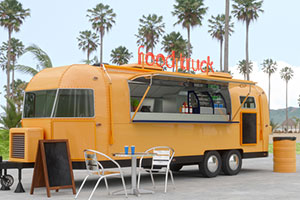
Running a food truck business can be an exhilarating adventure, but amidst the hustle and bustle, it’s crucial not to overlook the importance of having proper insurance coverage. The appropriate combination of insurance policies can act as a safety net, safeguarding your business investments from unexpected financial loss. Most importantly, it provides you with peace of mind to continue focusing on serving your unique delectable. So, let’s take a look and explore the insurance policies you need to be tailored specifically for food truck owners.
Types of Mobile Food Trucks and Carts We Insure
As the food truck industry continues to evolve, so do the vehicles that bring these mobile eateries to life. The most common types of food trucks and carts we insure are:
Step vans / Food trucks
Cargo van
Travel trailers
Food carts and stalls
Bus conversions
Airstreams
What Kind of Insurance Do I Need For My Food Truck?
The best type of coverage should include a combination of business insurance policies to protect you from a range of risks. Generally, a food truck owner will need a business owner’s policy (BOP), commercial auto insurance, and workers’ compensation policies. Here’s a breakdown of each coverage:
1. Business Owner Policy
A business owner policy bundles three essential coverage types. It’s usually cheaper than buying each coverage separately. A BOP includes:
General Liability Insurance: This is the most important of all business insurance policies. General liability insurance protects your business against lawsuits arising from bodily injuries and property damage you accidentally cause to others (not including your employees). For example, if you accidentally spill hot coffee on a customer, your general liability insurance would cover their medical expenses.
Commercial Property Insurance: Even if you do not have a consistent physical location where you serve your customers, this type of insurance covers the commercial space your business is housed in, along with your equipment and inventory. For example, commercial property insurance would pay to replace your belongings if a fire wipes out your building and equipment.
Business Income Insurance: If you temporarily shut down your business due to a problem covered by your policy, business interruption insurance replaces lost income. It covers various issues, like lost earnings, payroll expenses, temporary relocation, and other operational expenses.
2. Commercial Auto Insurance
Because your food truck is used for business purposes, you’ll need a commercial auto insurance policy. Your personal car insurance policy will not protect you. A commercial auto insurance policy offers:
Bodily Injury – This type of liability insurance provides payment in cases of bodily injury or death resulting from an accident for which you are at fault. This may also include legal defense expenses should you be sued by the other driver.
Property Damage – If your vehicle accidentally damages another person’s vehicle or property, this coverage helps pay for their repairs.
Combined Single Limit (CSL) – This combines one overall limit for property damage and bodily injury claims against you rather than having separate limits.
Medical Payments (PIP) – Also known as Personal Injury Protection in some states, this coverage provides payment for any medical expenses arising from an employee or a passenger traveling in your vehicle, regardless of who is at fault in an accident.
Uninsured/Underinsured Motorist Coverage – Uninsured motorist coverage provides payment for any medical expenses caused by a hit-and-run or uninsured driver. Underinsured motorist coverage covers the shortfall up to your policy’s limits when the other party has insufficient coverage. In some states, you can purchase uninsured motorist property damage insurance to cover damage to your car from an uninsured driver.
Comprehensive Coverage – Comprehensive insurance covers damage to your vehicle after a non-collision-related incident. The most common examples are theft, vandalism, and fire, and they may also protect permanently attached appliances and equipment.
Collision Coverage – Collision insurance helps covers the cost of replacing or repairing your vehicle if you or your employees get into a car crash. It can also protect permanently attached appliances and equipment.
3. Workers’ Compensation
Workers’ compensation helps protect you as a business owner from potential lawsuits and avoids the actual cost of an employee’s medical expenses and lost wages following a workplace injury or illness. Most states require workers’ compensation insurance, even if you employ only one worker. It can help cover an employee’s medical bills, lost wages, disability benefits, and funeral costs.
Other Food Truck Insurance Businesses Should Consider
Although a BOP and commercial auto policy provides you with a majority of protection for your food truck business, it does not cover all the risk gaps your business might face. Consider adding some of these small business insurance coverage:
Commercial Umbrella Insurance: Commercial umbrella insurance adds an extra layer of protection on top of your business insurance policies. These policies include general liability, commercial auto, workers’ compensation, and professional liability.
Food Spoilage and Contamination Insurance: If the refrigerator or freezer breaks down, this insurance coverage compensates for your “perishable stock”. This coverage also covers you after a food-borne illness outbreak.
Equipment Breakdown Insurance: If your food truck equipment, like grills, freezers, or ovens, unexpectedly breakdown, equipment breakdown insurance can help cover the costs to replace or repair your equipment. However, it does not cover normal wear and tear.
Inland Marine Insurance: Inland marine insurance covers equipment and products while it’s being transported or temporarily stored at an off-site location. This coverage can also protect rented or leased equipment.
Liquor Liability Insurance: If your food truck business sells or serves alcohol, liquor liability insurance covers property damage and bodily injuries caused by an intoxicated person to others after you sell or serve them liquor. It covers legal costs, judgments, settlements, medical expenses, and repair bills.
How AIS Can Help Protect Your Food Truck Business
We know you’ve worked hard to build your business and we’re committed to helping you protect it. Speak with one of our Commercial Insurance Specialists today at (855) 919-4247 for a quick and easy free quote.
The information in this article is obtained from various sources and offered for educational purposes only. Furthermore, it should not replace the advice of a qualified professional. The definitions, terms, and coverage in a given policy may differ from those suggested here. No warranty or appropriateness for a specific purpose is expressed or implied.