Home Blog Page 41

7 Home Maintenance Projects to Avoid Expensive Repairs

0

5 minute read

Your home is one of life’s most significant investments, so following proper maintenance schedules is essential to avoid nightmare repairs. Although there are better ways to spend a weekend than doing chores, future you (and your wallet) will thank you for your time. According to a survey by Hippo, a home insurance provider, 65% of homeowners who experience repair issues admit that their problems could’ve been prevented with proactive maintenance. If you’d like to get ahead of your home maintenance projects but aren’t sure where to start, we put together this list of seven jobs you can start doing this weekend.

Home Maintenance Projects to Start This Weekend

  1. Inspect Your Roof
  2. Trim the Trees
  3. Service HVAC System
  4. Test Safety Devices
  5. Update Home Inventory
  6. Clean Dryer Vents
  7. Address Plumbing Issues

1. Inspecting Your Roof  

Your home’s roof is its first line of defense from the elements and falling debris. When you allow your roof to deteriorate, you open the door to issues such as water damage, mold, poor insulation, and risk damaging your home’s overall structure. Like your home’s many systems, your roof requires proper inspections and maintenance to keep it in its best condition. Plus, staying ahead of any issues will help you avoid thousands of dollars in repairs.

What to do: The easiest way to stay on top of your roof’s health is to inspect it frequently, specifically after a harsh weather storm. You can visually examine your roof for loose or damaged shingles occasionally, but consider having it professionally inspected at least once every two years or sooner if you live in an area prone to extreme weather. Spring and summer months are typically the best time to get your roof inspected or repaired to avoid higher rates during the rain or snow season.

2. Don’t Forget to Trim the Trees 
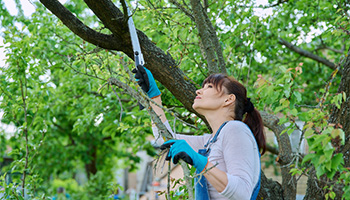
a woman cutting the loose branches on her tree

Old tree branches can greatly damage a home, especially during rough storms. On windy days, for example, tree branches can break off and fall onto your home’s structure or cause damage to its exterior due to constant friction. In drier climates, homeowners face an additional fire risk by having dry brush close to their property.

What to do: Before the start of storm season, give your home a walkaround to look for any tree branches that are making contact or hanging above your roof. Depending on the size and scope of the overhanging branches, hiring a professional may be safer than attempting a removal yourself. However, on the ground level, you don’t need a professional to remove any dry or dying vegetation near the side of your home that poses a fire risk. If you live in a dry climate, this is one of the home maintenance projects you don’t want to forget about.

3. Service Your Home’s HVAC Systems 

Nothing is worse than trying to turn on your home’s AC during the heat of summer only to find out that it requires service. Furthermore, neglecting to perform simple maintenance projects, such as replacing your air filters, can affect the air quality in your home.  This may seem simple, but ensuring your system runs smoothly without any clogs or hiccups is essential.

What to do: Clean or replace your home’s HVAC filters regularly. Most manufacturers recommend changing filters every three months, but that can vary depending on your location and whether you have pets. Besides changing your air filters, consider having your system professionally inspected or cleaned every year or two before peak seasons such as summer or winter. Clear any leaves or debris around your unit between inspections to prevent issues.

4. Test Smoke Alarms and Carbon Monoxide Detectors 

Come winter, you’ll likely be using your home’s furnace or other heating elements to keep warm. If heating devices go bad, they can release toxic fumes like carbon monoxide or cause fires.  You may also be like many others and have yet to change the batteries on your beeping fire alarm. Either way, keeping you and your family safe begins by ensuring your home’s safety devices function properly.

What to do: To keep smoke and carbon monoxide detectors working, test and replace their batteries regularly. If you have a fire extinguisher in your home, check its expiration date to confirm it is ready for use in an emergency. As an easy reminder, consider replacing batteries each time you reset your clocks for daylight savings.

5. Keep Your Home Inventory Updated 

a couple analyzing their home inventory list

Disasters can strike at any time, so keeping your home inventory updated is important. If you don’t already have one, a home inventory is a way to record all your belongings inside your home. Having a home inventory list will prove extremely valuable during the claims process after a sudden disaster. Plus, having an updated home inventory will confirm you have the right amount of coverage for your personal belongings through your residential insurance.

What to do: If you have an ongoing home inventory list, consider making updates at least twice a year. That way, you will only spend a little bit of too much time adding new purchases in bulk. However, if you don’t have an inventory list, start today by doing one room at a time. Listing your possessions may seem daunting, but taking it slow can spread the project out over time. You can also utilize recording devices to help make the job easier.

6. Clean Out Dryer Vents 

According to the National Fire Protection Association (NFPA), washing and drying machines cause an average of 15,970 fires annually, with 26% directly caused by dust, fiber, or lint. One of the easiest home maintenance projects is to clean dryer vents yearly to protect your home from a fire. Although many homeowners remember to clean out their lint filter between laundry loads, many more wait far longer to clean their exhaust vents, if at all.

What to do: To limit your fire risk, consider cleaning out your dryer vents 1-2 times a year. If your vent travels a short length or is on the ground level, you can do this job yourself. However, hiring a professional may be the easier option if your vents travel a great distance across various floors. Regardless of which option you choose, clean your vents regularly and be sure to touch every nook and cranny for the best results.

7. Don’t Forget About Your Plumbing  
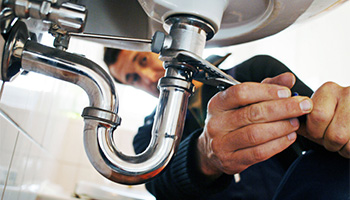
a person performing home maintenance projects by doing plumbing work

Checking for signs of water damage or leaks throughout your home is important, no matter the time of year. Simple leaks can become costly problems if left alone for extended periods. As water damage spreads, it can also lead to mold and structural damage concerns. Do your toilets run constantly? Do some of your sinks run or drain slowly? Are there any visible signs of damage on any exposed pipes or supply hoses? These are the questions you should ask yourself when searching for water-related issues.

Aside from your plumbing, remember to service your water heater as recommended by its manufacturer. Depending on your heater, you may need to adjust the pressure valve or flush it to keep it running efficiently. Always refer to your owner’s manual for a detailed understanding of how often you should service your water heater.

What to do: Visually inspect for signs in your bathroom, sink areas, showers, and washing room for water damage or leaks. If you notice anything concerning, quickly rectify the issue or contact a professional. If you have a traditional water heater, follow manual instructions to flush it out to remove sediment buildup.

Keep Your Home Prepared for the Unexpected 

Having the proper home insurance is crucial whether you recently moved in or not. A homeowners insurance policy doesn’t just cover your home’s physical structure, it also covers your belongings and provides liability protection in the case of an accident. However, just like with any other insurance type, reviewing coverage regularly is important to ensure you are properly covered.

At AIS, we have over 55 years of experience helping our customers navigate the insurance marketplace. Our specialists can help you find and purchase reliable homeowners insurance wherever you live. To learn more about the coverage available, contact us at (888) 772-4247 or start a quote online.


The information in this article is obtained from various sources and is offered for educational purposes. Furthermore, it should not replace manuals or instructions provided by the manufacturer or the advice of a qualified professional. No warranty or appropriateness for a specific purpose is expressed or implied.


How To Estimate Car Insurance Before Buying A Car

2


There are many factors that can influence insurance costs: 1. Car make, model and year of manufacture 2. Your driving record 3.

EPISODE #2 | Innovations in Vital Care Webinar Series

0


The Changing Emergency Department | Presented by Dr. Alim Pardhan Dr. Alim Pardhan is an Emergency Department Physician and Site Chief of the Hamilton …

The Baddest Pro Mod in Drag Racing – Craig Sullivan

0


The Baddest Pro Mod in Drag Racing – Craig Sullivan (Video via Straight Line Media/Kyle Christ) Follow us on Instagram: @DoorSlammersDragRacing Follow …

Katotohanan ng Insurance… Mag ingat!

20


Thanks for watching “Katotohanan ng Insurance… Mag ingat!” Nasayang na ba ang pera mo ng dahil sa insurance? Ang sabi …

Auto Insurance Quiz

0


Auto Insurance Quiz from the Insurance Information Institute. For more information about insurance, go to the I.I.I. Web site at …

Sidecar Health – How we compare with traditional plans

0


Watch how Sidecar Health compares with traditional health insurance plans. Our plans are affordable, personalized, transparent, and simple to use.

DIY Life Insurance Quotes

0


Step-by-step tutorial, we will show you how to get DIY instant term life insurance quotes & instant permanent life insurance quotes …

Is it Better to Pay My Car Insurance in Full or Monthly?

0

4 minute read

When purchasing a new auto insurance policy, major insurers typically offer various options to pay your premium. Whether it’s putting down a deposit and utilizing monthly installments or settling the lump sum in full, you may wonder what the advantages are of either choice. While monthly payments can be easier on your wallet, paying your car insurance premium in full could help you lower your annual insurance costs by avoiding fees. If you aren’t sure which option is right for you, let’s cover some pros and cons to help you decide.

In This Blog…

How Often Do You Have to Pay for Car Insurance? 

You can pay car insurance premiums in several ways, but you’ll typically pay less overall the fewer payments you make. For example, most payments for 6- and 12-month insurance use one of the following payment structures:

  • Full payment:  When starting a new car insurance policy, you can pay for your coverage term in full. Drivers who pay in full make one annual payment for annual policies or two annual payments for six-month policies.
  • Quarterly/split payments: If paying in full is out of your budget, some insurers may offer a middle ground between full payment and monthly installments by allowing you to split payments quarterly. For annual policies, this means making four total payments or two payments for 6-month policies.
  • Monthly installments: Depending on your financial standing, monthly installments may have the least impact on your monthly budget. However, although payments are smaller, they may include additional fees or interest if your installments are based on a finance plan.

What Are the Advantages of Paying for Car Insurance in Full? 

1. Fewer Bills Throughout the Year

One of the major advantages of paying your car insurance premium in full is that you won’t have to worry about another insurance bill for another 6 or 12 months, depending on the length of your policy.

Some drivers may prefer the convenience of making a one-time payment over having to risk missing a monthly installment, which could have adverse effects such as late fees. Regardless of how you prefer to manage your bills, paying in full will ultimately reduce the amount of insurance payments you make each year. Plus, having fewer monthly bills could help you allocate funds throughout the year for when it’s time to renew.

2. Potential Savings 

Most major carriers will offer a “paid in full” discount that rewards policyholders who can pay their total premium upfront. Not only will this help you get the best deal on your car insurance rate, but it will also free you from remembering to pay your bill.

Even if your insurer does not offer a pay-in-full discount, you can still save in the long run by paying in full. That’s because insurance companies may charge you various fees—such as monthly installment fees—for splitting up your premium payments. Although the fees may seem small on a monthly scale, they can quickly add up in a year.

3. Locking in Your Rates

When you pay your annual insurance premium in full, you ensure that your rates won’t increase* for the length of your term, assuming you don’t add a car or make other changes. This may be a favorable option for young drivers or parents of young drivers as it limits the amount of potential rate increases per year. For example, if you can secure an annual policy and pay in full, you don’t have to worry about a potential increase six months later as you would if you purchase a traditional 6-month policy.

*Although your rate will not increase during your term, filing a claim could result in increased rates at renewal. 

What to Consider When Paying for Car Insurance in Full 

Although there are advantages to paying your car insurance premium upfront, there are some drawbacks that you may want to consider.

car being purchased
  • Ability to shop rates: Paying in full is a great way to lock in your rates for the duration of your term, but it could affect your ability to switch carriers or take advantage of lower rates from another insurer. Although you can still cancel in most situations (after settling any cancellation fees), getting a refund may take longer than if you were on a monthly payment schedule.
  • Amount saved: As mentioned, some insurers may offer discounted rates for policyholders who are able to pay their premiums in full. However, keep in mind that any discounts offered can vary significantly depending on your insurer. For example, if the amount saved is less than $100, paying your premium in full may not be worth the added financial burden.
  • 6-month vs. 12-month policies: Although it is possible to find 12-month policies, 6-month policies are the industry standard. Even if an insurer offers annual term lengths, it isn’t guaranteed that you’ll receive an incentive for paying your premium in full.
  • Greater financial strain: Paying in full will require you to settle your insurance bill at the beginning of your policy. Although possible, this may cause financial strain depending on your income and current standing. Monthly payments can help offset the impact of a large purchase.

Find Other Ways to Save By Speaking with an Insurance Specialist 

Even if you can’t pay for your insurance in full,  you can lower your premium in other ways. Whether through additional car insurance discounts, regularly comparing rates, or adjusting coverage limits, AIS can help. We have over 55 years of experience assisting our customers through the insurance marketplace, helping them find and compare quotes from our network of trusted insurance partners. If you’d like to learn more about finding affordable rates or have additional insurance questions, call us at (888) 772-4247 to speak with a licensed agent.


The information in this article is obtained from various sources and offered for educational purposes only. Furthermore, it should not replace the advice of a qualified professional. The definitions, terms, and coverage in a given policy may be different than those suggested here. No warranty or appropriateness for a specific purpose is expressed or implied.

Funny Cars Cartoon for Kids with Fun Race Learn Colors for Toddlers

0


Funny cars Previous funny videos: Monster truck transportation https://youtu.be/oJNlFkEPf2M Long car for cartoon https://youtu.be/zfiq1ke_eYk Learn colors with …

Florida Medicare, Medigap Insurance | Florida Health Agency

0


http://www.floridahealthagency.com | Are you 65+ and need to renew your health insurance? Check out Florida Health Agency is on your side. We know, we …

Life Insurance Agents Ask Yourself This Before You Start

3


WE’RE HIRING! Agents submitting $5K AP/mo – We invest in YOU and help our agents make SIX figures, faster, with FREE leads, …

Eye Safety: The Perfect Sunglasses for Your Holiday Getaway

0

3 minute read

Americans are setting travel records, with reports showing that more people took a vacation this year. Between March and April alone, nearly six million Americans took a vacation from work, showing that people are looking to take a break. If you are planning a trip this year or in the near future, one aspect you must consider is your eye safety. A study found that there is a correlation between eye health and travel, particularly international travel. The study noted that mountaineers, skiers, and beachgoers are at risk of ultraviolet (UV) keratitis, while regular travelers are more in danger of getting an eye infection. The best way to protect your eyes is to use proper eye protection, such as sunglasses, which provide both style and functionality that is essential in complementing your travels.

However, not all sunglasses are made the same, and it’s crucial to get the right pair that fits your kind of vacation.

City Breaks

a couple traveling in the city

A city break often refers to a short trip to major urban destinations. That’s why many travelers choose destinations like Chicago, Seattle, San Francisco, and Los Angeles. While you will likely spend more time indoors on a city break, it still pays to protect your eyes when you do go outside.

Due to the increased number of vehicles and windows, you will be more exposed to sun glare which can affect eye safety. Sun glare is known to cause heat headaches and increases the risk of conditions like photokeratitis. To protect your eyes and health buy sunglasses from an established brand. Their tinted lenses can filter any light directed at your vision and help you see much clearer amid bright city surroundings.

On a city trip, consider donning a pair of Ray-Bans on your next urban escape. Popular cities like New York are often considered to be at the front of fashion, with many residents putting great emphasis on trends and style. That means getting iconic frames such as the Ray-Ban Clubmaster or Wayfarer—or their edgier Reverse versions—can be great ways to add flair to your city look while still protecting your eyesight.

Beach Getaways

a person with sunglasses at the beach

When you think of a beach getaway, lounging around in the sand with shades on is an image that comes to mind. With this, the FDA highlights the importance of sun safety, from having the proper SPF sunscreen to purchasing eyewear that offers proper protection. The right sunglasses can help promote eye safety by filtering out harmful ultraviolet (UV) rays and decrease your risk of eye problems from prolonged UV exposure, which can cause cataract formation.

As such, it’s best to go for glasses that offer between 99% and 100% protection from UV light. These are usually called “400-protected glasses” since they have a UV 400 rating that indicates better filtration. Additionally, you may opt for sunnies with corrosive-resistant materials, like the Maui Jim Big Wave, to avoid your glasses getting ruined by saltwater as you enjoy your time at the beach.

Winter Holidays

a person wearing eye goggles while snow boarding

The winter holidays are another popular vacation period for families. Winter activities like snowboarding and skiing are also gaining traction since resorts with this kind of recreation facilities are more accessible than you might think. Ski resorts in the European Alps remain a strong contender for winter holidays, but our article highlights some of the top snowboarding destinations you can visit on the West Coast.

When traveling during winter, wearing the proper eyewear to protect your eyes from snow, debris, and injury is essential. Polarized lenses are often used in winter eyewear to improve vision, as you can be affected by glare from the bright snow. These lenses are optimized to reduce glare, UV exposure, and discomfort. In turn, they can help avoid accidents since you’ll have a clear view of your path, with sunlight filtered to prevent obstructing your vision.

You can even choose between sunglasses or goggles, with Zeal Optics being a popular brand that offers both. Both styles provide the same kind of lenses, so it’s up to your personal preference. However, if you’re someone who can do stunts as you go down the slopes, consider wearing goggles like the Zeal Optic Hangfire which may be the better choice as they won’t fly off midair.

Written by Jennifer Nordstrom for AIS.


The information in this article is obtained from various sources and offered for educational purposes only. Furthermore, it should not replace the advice of a qualified professional. No warranty or appropriateness for a specific purpose is expressed or implied. The opinions expressed by guest bloggers are theirs alone and do not reflect the opinions of AIS Management LLC, any subsidiary or affiliate of the same, or any employee thereof. We are not responsible for the accuracy of any of the information supplied by the guest bloggers.

Dr. Sofer Opinion Assurance Auto Insurance Coverage Metro West Florida 32811

0


http://CentralFloridaInjuryWellnessCenter.com Back Pain Treatment, Neck Pain Treatment and Auto Injury Treatment, Chiropractor …

Vlad and Niki playing with toys – funny stories for children

0


Vlad and Niki playing with toys – funny stories for children.